@jozef_youssef
Experiments, experiences and moments from Jozef’s work.
Explore on InstagramENTREPRENEUR · INNOVATOR · EXPERIENCE DESIGNER
The multisensory chef exploring what happens when gastronomy meets science, technology and human imagination.
Explore the thinking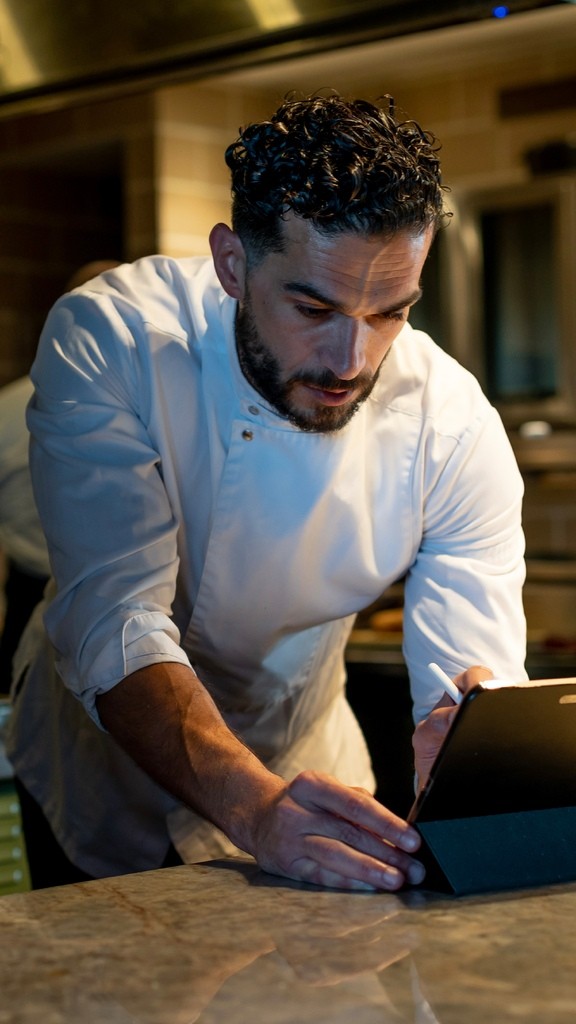
01 / ABOUT

Jozef Youssef works at the intersection of food, sensory science, technology and experience design.
Founder and creative director of Kitchen Theory, he turns research and creative experimentation into experiences that tell stories, connect people and make complex ideas tangible.
His practice brings together culinary science, design and entrepreneurship, driven by a curiosity about human perception and the future of eating.
He has worked with product manufacturers and supermarkets, alongside their new product development (NPD), innovation and marketing teams.
For Jozef, food is a medium for storytelling, education, innovation and emotional connection. His starting point is simple: food must be delicious, and its potential reaches far beyond taste.
Years in London’s acclaimed Michelin-starred kitchens shaped his culinary practice. He is an Academician of the Royal Academy of Culinary Arts and a lifelong student of gastronomy.
For over a decade, Jozef has worked with Professor Charles Spence, an experimental psychologist at the University of Oxford. Together, they develop unique experiences and explore multisensory flavour perception, gastrophysics, sustainable foods, gastrodiplomacy and digital technologies at the table.
Over this period, Jozef has published 36+ papers in academic journals and two books.
Explore the researchSince establishing Kitchen Theory in 2014, Jozef has designed and hosted 500+ food and beverage events across 15 countries for some of the world’s largest brands and corporations.
His work spans projection-mapped chef’s tables, cultural showcases, future-food concepts and immersive experiences.
Jozef has made several television appearances and is an international keynote speaker.
02 / INNOVATIONS
Kitchen Theory is where the thinking takes shape.
In products, places and moments that engage people.
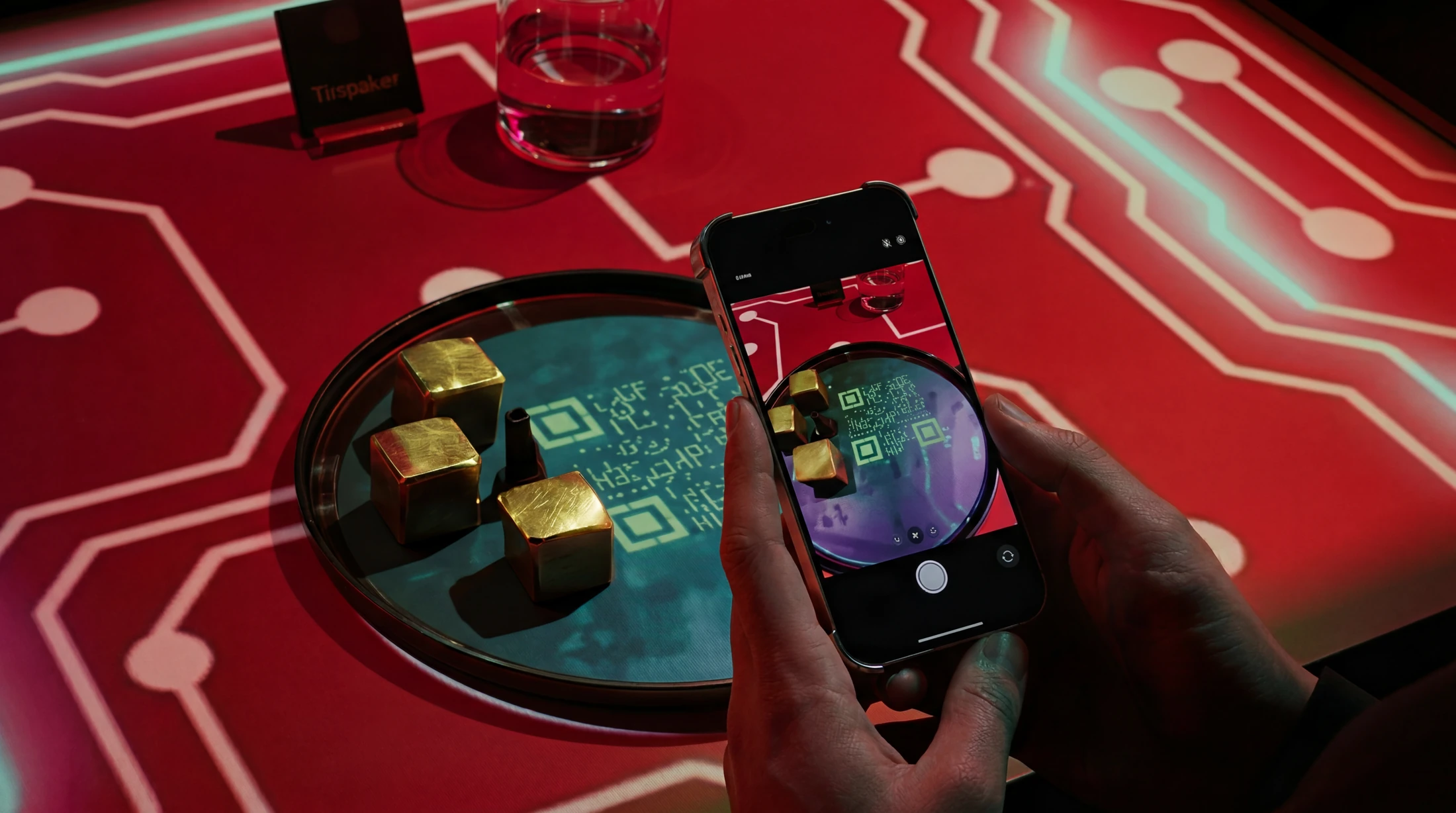
Designing the complete encounter: food, sound, light, aroma, texture and story. Each element contributes to how an experience is understood and remembered.
Working with product manufacturers and supermarkets, alongside their new product development (NPD), innovation and marketing teams, to connect consumer needs and emotional intentions with flavour, texture, packaging and the rituals around food.
Explore the perspectiveExploring the role of digital tools and automation in gastronomy, and the human judgement and creative intention that shape their use.
Explore the perspectiveCollaborating across disciplines to turn scientific questions into tangible experiences and new ways of learning.
Explore the research03 / IDEAS & PERSPECTIVES
Questions, observations and ideas from Jozef’s work.
Open a perspective and stay a little longer.

FEATURED PERSPECTIVE / AI & HOSPITALITY
As automation changes hospitality, where will people make the greatest difference?
Read the perspectiveThe intention behind hospitality matters as much as the result.
Automation will mean different things in different parts of hospitality. In quick service, convenience and consistency can make a compelling case for machines. Casual dining may combine automated tasks with human creative direction.
Fine dining asks a different question: what does a guest value about the experience? A personal story expressed through a dish, a well-timed gesture or someone noticing the mood at a table can matter as much as technical execution.
Jozef expects machines to become increasingly capable of preparing excellent food. His interest lies in the value of human care alongside that progress. As automation becomes familiar, deliberately personal hospitality may become even more desirable.
Adapted from Jozef Youssef’s LinkedIn writing. Draft for editorial approval.
Read the original on LinkedInWhat might the hospitality team of the future look like?
Thinking about automation only in terms of jobs lost leaves part of the picture out. Kitchens will also need people who understand how to make these systems useful in real service.
Jozef imagines chefs training culinary robots, engineers keeping them working, and supervisors coordinating several machines. Menu development may include translating creative intentions into processes an automated kitchen can follow. Experience designers will need to consider how guests encounter both people and technology.
There are also questions of food safety, quality, personal data and responsibility. These roles are predictions, rather than a fixed blueprint. Jozef is interested in the shift from repeating a task to designing the system around it, while making room for warmth, judgement and human connection.
Adapted from Jozef Youssef’s LinkedIn writing. Draft for editorial approval.
Read the original on LinkedInStructured experimentation can turn mistakes into discoveries.
A professional kitchen depends on repeatability. Guests expect a dish to arrive with the same quality each time, whoever prepares it. That discipline protects the experience and the business.
Yet many people become chefs because they want to create. When every working hour is dedicated to reproducing an established menu, finding space to test their own thinking becomes difficult.
A separate development kitchen is beyond the reach of many restaurants. Smaller opportunities could still matter: a regular development session, a staff dish challenge or time to explore an unfamiliar ingredient. For Jozef, that protected space could help ideas emerge and give younger chefs a stronger sense of contribution. Experimentation needs a place within the working culture.
Adapted from Jozef Youssef’s LinkedIn writing. Draft for editorial approval.
Read the original on LinkedInA product begins with the feeling it should create.
Much of Jozef’s work with Kitchen Theory happens before a product reaches the table. He helps innovation teams explore what people need, how they will encounter something and what could make it meaningful.
Gastrophysics offers a way to connect sensory cues with expectations, memories and surroundings. An emotional intention can guide flavour and texture, but also packaging, preparation, storytelling and the rituals around consumption.
He works alongside food technologists and development chefs, bringing research, culinary experience and a practical understanding of how people engage with food. Starting with a desired feeling gives the team a shared question to return to. The aim is a product people can enjoy, remember and choose again.
Adapted from Jozef Youssef’s LinkedIn writing. Draft for editorial approval.
Read the original on LinkedInPlant-based food can stand on its own terms.
Fewer vegan requests at Kitchen Theory’s Chef’s Table prompted Jozef to look more closely at how people choose plant-based food. That observation is the starting point for a question, rather than evidence about everyone’s diet.
A category can change direction without disappearing. People may want familiar, versatile ingredients and meals that fit comfortably into daily life. Taste, price, nutrition and convenience all influence those choices.
Jozef sees an opportunity to give vegetables, pulses, grains and mushrooms a more confident place on the plate. Helping people enjoy eating fewer animal products may be more useful than asking them to adopt a particular identity. The creative challenge is to make the choice appealing in its own right.
Adapted from Jozef Youssef’s LinkedIn writing. Draft for editorial approval.
Read the original on LinkedInTRY A SENSORY EXPERIMENT
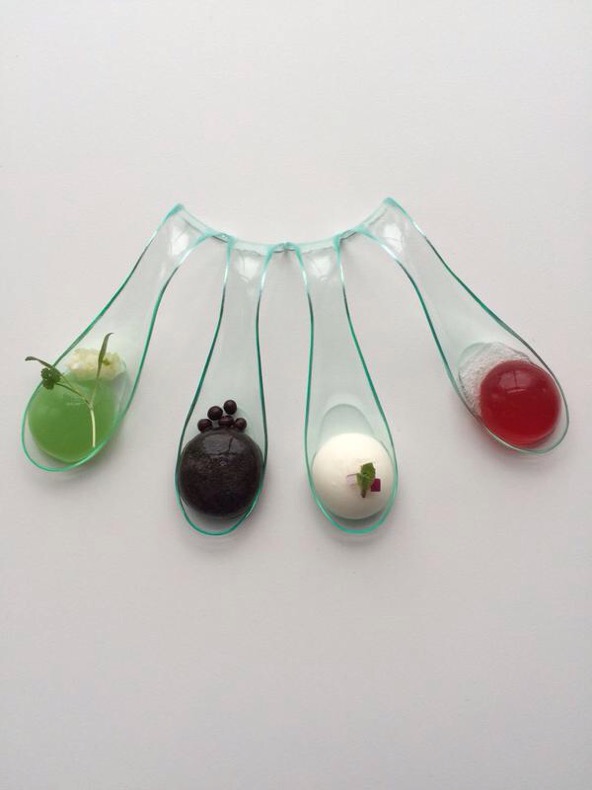
Four colours. A first impression.
Explore what you expect before you taste, then compare your choices with the research.
Colour 1 of 4
This photograph is a prompt for exploring expectations. The study used separate colour-matching tasks.
YOUR EXPECTATIONS & THE RESEARCH
Compare your choices with familiar associations discussed in the paper. These are shared tendencies, with room for individual differences.
| Colour | You chose | Often associated |
|---|---|---|
| 01 Green | Sour | |
| 02 Dark | Bitter | |
| 03 White | Salty | |
| 04 Red | Sweet |
The dark/bitter and white/salty pairings come from earlier research reviewed in the paper. Its newer experiments found a broader range of associations.
Green and red. Experiment 2 linked sourness with green and, to a lesser extent, yellow. Sweetness was consistently associated with red and pink.
Dark and white. The paper reviews earlier associations of black or brown with bitterness, and white or blue with saltiness. Its own wider colour-matching task linked bitterness with dark yellow-green and light orange, and saltiness with dark yellow and dark blue.
Familiar foods matter. In Experiment 3, participants mentioned foods such as apples, lemons, dark chocolate, fruit and sweets when explaining their choices. The authors suggest that learned associations with foods may help explain these connections.
In Experiments 2 and 3, 244 and 250 native English-speaking participants from the US chose colours for taste words. Here, you make the association in the other direction, using Jozef’s photograph. The paper also studied umami; the pictured foods were not tested in the study.
Based on The taste of colours, Velasco, Barbosa Escobar, Spence & Olier (2023). Read the study
04 / RESEARCH & PUBLICATIONS
Selected research across sensory perception,
experience design and technology.
Designing food experiences to meet expectations or to surprise
129 citationsResearchGate2023Using experiential multisensory dining to engage customers
22 citationsResearchGate2026A historical analysis of changing attitudes to modernist kitchen technology
0 citationsResearchGateResearchGate citation snapshot · retrieved 18 October 2026
Explore all publications on ResearchGate05 / SPEAKING & WORKSHOPS
Keynotes, interactive talks and workshops.
Food, science, technology and human experience.
Watch the speaker video
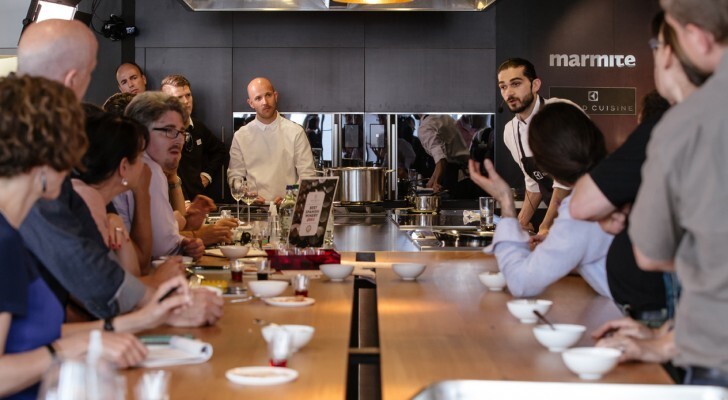
Make complex ideas tangible.
Jozef brings together sensory science, culinary practice and creative thinking to explore how people perceive, feel and connect.
For conferences, brands, teams and universities, each session is shaped around the audience and the questions they want to explore.
Share your audience, event date and what you want people to take away.
A fresh perspective on multisensory perception & design, innovation & creativity all through the lens of culinary science and art. A focused talk connecting research and real-world practice, with ideas audiences can take into their own work.
Bring the science into the room through sensory demonstrations, audience participation and, where appropriate, guided tastings. Concepts become something participants can notice, test and discuss.
Hands-on sessions for teams exploring sensory design, creative thinking and innovation. Work through a question together, using shared experiments and practical discussion to develop and test ideas.
AREAS OF EXPERTISE
06 / MEDIA & TALKS
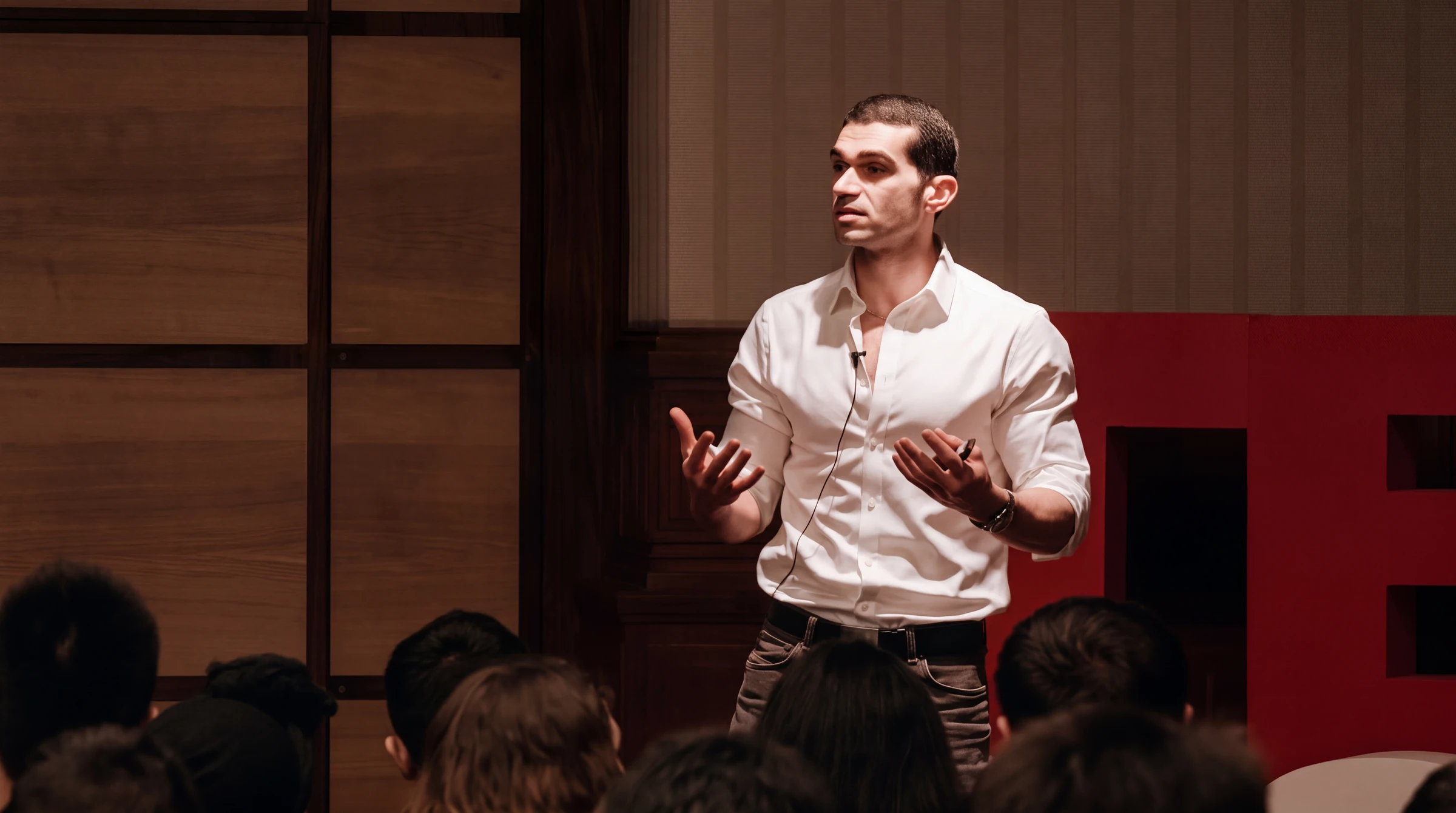
Bringing the science and possibilities of food to a wider audience.
Talks, interviews and films exploring sensory science, creativity and the future of eating.
07 / SOCIAL MEDIA
Work in progress, new experiences
and the thinking behind them.